November 18, 2026
Key things to inspect before booking a desert buggy ride
By @getbuggydubainews
Renting a dune buggy for a desert tour is one of the most exciting ways to experience the sand dunes. But not all buggies are the same, and the experience you get depends on the condition of the vehicle, the safety gear provided, and the quality of the operator. Before you confirm a booking, there are several practical points worth checking. A few minutes of inspection can save you from a disappointing trip or an uncomfortable ride.
Understand the buggy type and its condition
Most desert buggies are built for off-road use, but there is a difference between a basic leisure model and a proper performance machine. Ask what model you will be driving. A well-maintained buggy from a reputable operator will have a sturdy roll cage, proper seat belts, and a solid frame. The roll cage is not just for show; it protects you if the vehicle tips over on a steep dune. Without it, a simple mistake can become dangerous. Check that the roll cage is not bent or rusted, and that the welds look clean. A operator who keeps their vehicles in good shape will not mind you taking a look.
Engine horsepower matters for climbing dunes. A buggy with too little power can struggle on soft sand, leaving you stuck or forcing you to take shallow lines. On the other hand, a very powerful buggy can be hard to control if you do not have experience. Ask the operator what engine size the buggy has and whether it is suited to the terrain you will ride. A good operator will tell you honestly. The site dunebuggyadventure.co offers clear information about the buggy specifications on each tour page, so you can compare before deciding.
Safety gear included with the booking
A helmet is the most obvious piece of safety equipment, but not all helmets are equal. Check that the helmet fits snugly and has a visor or goggles. Sand blown into your eyes at speed is painful and can cause you to lose control. The operator should provide a clean, undamaged helmet. If the helmet has cracks, missing padding, or a worn strap, ask for a replacement. Similarly, a good operator will offer gloves and a scarf or face cover. The desert sun and wind can be harsh, and exposed skin can get burned or chafed during a long ride.
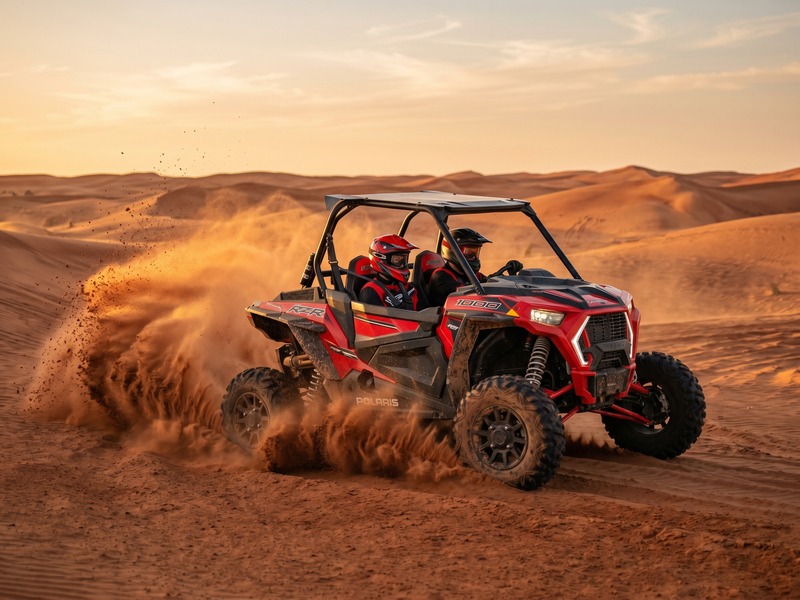
Some operators also provide a neck brace or a padded vest. These are not always necessary on flat terrain, but if your tour includes steep drops or high-speed runs, they add an extra layer of protection. Ask what the included gear covers and what you need to bring yourself. If you are unsure about the quality of the gear, ask to inspect it before you pay. A responsible company will be happy to show you.
Insurance and liability coverage
Desert buggy riding is an adventure sport, and accidents happen even with careful driving. Before you book, ask about the insurance policy. Does the operator carry liability insurance that covers damage to the vehicle or injury to you? Some operators include basic insurance in the price, while others charge extra or require you to sign a waiver that leaves you responsible for any damage. Read the waiver carefully. If the waiver says you are liable for all damage regardless of fault, consider whether you are comfortable with that risk.
Also ask whether the insurance covers medical evacuation if you are injured far from the base. The desert can be remote, and getting help out of the dunes takes time. A tour that includes a support vehicle and a radio or satellite phone is safer than one that does not. Do not assume that the operator has all these details covered. Ask directly and listen to the answer.
Training and orientation before the ride
Even if you have driven a buggy before, the controls and handling can differ. A good operator will give you a short training session before the tour begins. The training should cover how to start and stop the buggy, how to steer on sand, and what to do if you get stuck. They should also explain the hand signals used by the guides and the rules of the convoy. Pay attention to the part about recovering from a stuck position. Driving on soft sand is different from driving on a road, and many beginners get stuck simply because they do not know how to angle the wheels or use the momentum.
If the operator does not offer any training or just tosses you the keys, that is a red flag. A professional operator values safety and wants you to enjoy the ride without incidents. The site dunebuggyadventure.co includes details about the orientation process on its booking pages, so you can see what to expect before you arrive.
Check the route and terrain
Not all desert tours cover the same ground. Some stick to flat, open areas where you can drive fast without much change in elevation. Others go deep into the dunes with steep climbs and drops. Ask the operator what the route looks like and whether it matches your skill level. If you are a beginner, a route with very steep dunes may be too challenging and could lead to a rollover. If you are experienced, a flat route may feel boring.
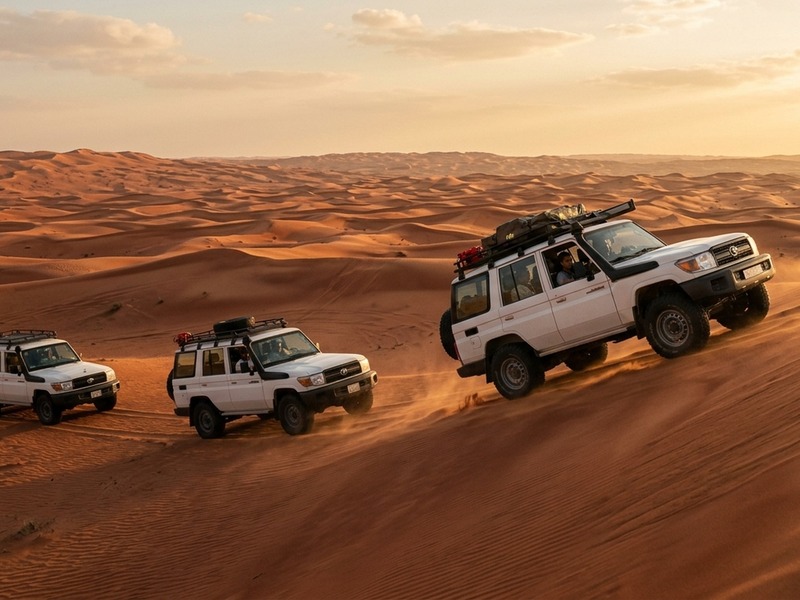
Ask about the length of the tour in both time and distance. Some operators advertise a two-hour tour but spend half of that time waiting or driving slowly on flat ground. A good operator will give you a clear idea of how much actual driving time you will get and what kind of terrain you will cover. Also ask whether there will be stops for photos or sandboarding. These breaks can be fun, but they reduce the driving time. Make sure the balance suits your preferences.
Vehicle capacity and passenger rules
If you plan to ride with a passenger, check whether the buggy is designed for two people. Some buggies have a single seat and a small storage area that is not safe for a second person. The operator should tell you the maximum weight capacity and the number of seats. A buggy that is overloaded can handle poorly on sand and increase the risk of tipping. If you are a heavier person, ask about the weight limit. Some buggies have a lower limit than others, and exceeding it can affect the vehicle's balance.
Also ask whether children are allowed and what age or height restrictions apply. The safety gear for a child must fit properly. A helmet that is too large can slip over the eyes, and a seat belt that is too loose offers no protection. A responsible operator will have appropriate gear for younger riders and will enforce the rules strictly.
Read the cancellation and refund policy
Weather in the desert can change quickly. A sandstorm or extreme heat can make a tour unpleasant or dangerous. Ask what happens if the tour is cancelled due to weather. Do you get a full refund or a reschedule? Some operators offer no refund for weather cancellations, which leaves you out of pocket. Also ask about the cancellation policy if you need to change your plans. A flexible policy is a sign of a customer-friendly operator.
Check whether there are hidden fees. Some operators add charges for extra gear, for a second driver, or for fuel. Ask for the total price including all fees before you book. A transparent operator will give you a clear breakdown.
Look for recent reviews and photos
Before you book, search for recent reviews of the operator. Look for comments about the condition of the buggies, the quality of the gear, and the professionalism of the guides. Photos posted by other riders can show you what the actual vehicles look like and whether the terrain matches the operator's description. If the reviews mention breakdowns, dirty or damaged gear, or guides who rush the tour, take those warnings seriously.

Also check whether the operator has a physical location or a workshop. A company that maintains its own vehicles is more likely to keep them in good condition than one that rents from a third party. You can often find this information on the operator's website or by calling them.
Taking the time to check these points before you book will help you choose a desert buggy experience that is both safe and enjoyable. The desert is a stunning place to ride, and the right preparation makes all the difference.
❧